
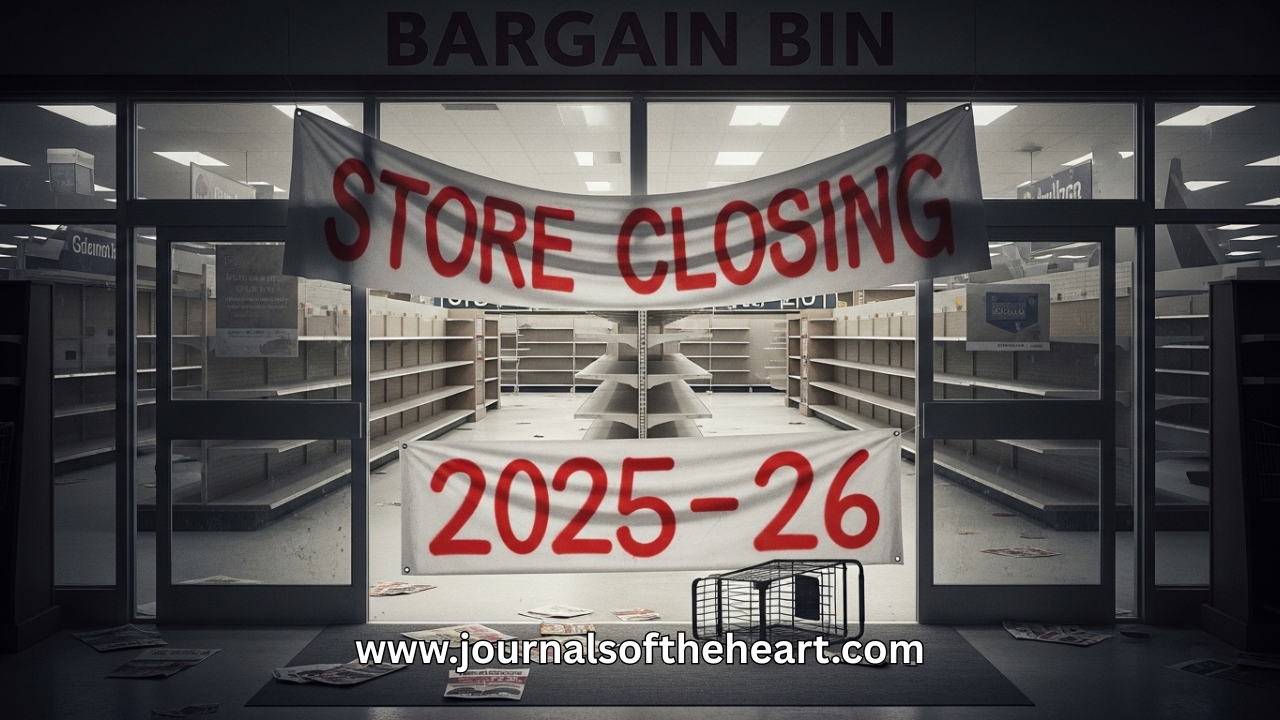
The retail landscape is undergoing a seismic shift. Discount retailers, once the go-to destination for budget-conscious shoppers, are facing unprecedented challenges. In 2025 and 2026, hundreds of discount stores across the country are expected to close their doors permanently. This wave of closures is not random—it is driven by a combination of changing consumer behavior, inflationary pressures, rising debt, and an increasingly competitive retail environment. Understanding these factors is crucial for both industry insiders and consumers who rely on these stores.
The Rise of Discount Retailers
Discount retailers have historically thrived by offering essential goods at lower prices. Chains such as Dollar General, Family Dollar, and Big Lots became household names by providing affordable products ranging from groceries to household essentials. These retailers capitalized on price-sensitive consumers, particularly during economic downturns when shoppers actively seek bargains.
Over the past decade, discount retailers expanded rapidly. They opened new locations in suburban and rural areas, catering to communities underserved by traditional grocery stores and big-box retailers. This expansion led to strong growth in both revenue and market share, positioning discount stores as a cornerstone of the American retail landscape.
Changing Consumer Spending Habits
However, the retail world is changing faster than ever. Consumer spending habits have shifted dramatically, influenced by technological advancements, e-commerce growth, and evolving lifestyle preferences. Online shopping continues to attract shoppers with the promise of convenience, larger selections, and competitive pricing. E-commerce giants like Amazon have captured a significant portion of the discount shopper base, leaving traditional brick-and-mortar stores struggling to keep pace.
Additionally, younger consumers are increasingly prioritizing experiences over material goods. Spending on travel, dining, and digital services is taking precedence over trips to discount stores. This shift has led to declining foot traffic in many physical retail locations, directly impacting sales and profitability.
Inflation and Economic Pressures
Inflation has also played a significant role in the wave of store closures. Rising costs for goods, transportation, and labor have forced discount retailers to make difficult choices. Many stores operate on razor-thin margins, meaning even modest increases in expenses can drastically affect profitability.
Consumers, too, are feeling the pinch. Higher prices for groceries, fuel, and housing reduce disposable income available for other purchases, including discounted retail items. While discount stores traditionally benefit during tough economic times, the current inflationary environment has paradoxically created challenges: suppliers are raising prices faster than stores can pass them on to customers, squeezing margins even further.
The Weight of Corporate Debt
Debt levels among retail chains have also become a critical factor. Many discount retailers took on significant debt during their rapid expansion phases. While debt can fuel growth, it also introduces vulnerability. In an environment of rising interest rates, servicing debt becomes more expensive, diverting funds from operational improvements, marketing, and expansion plans. Companies struggling with debt are often forced to close underperforming stores to stabilize their finances, which is precisely what we are witnessing in 2025-26.
Regional Impacts of Store Closures
The closures are not uniform; some regions are more affected than others. Rural areas and smaller towns are particularly vulnerable, as discount retailers often operate as the primary source of affordable goods in these communities. When a store closes, residents may face longer travel times to access necessities, creating a ripple effect on local economies.
Urban areas, while still impacted, tend to offer alternative shopping options. The presence of multiple discount chains, grocery stores, and online delivery services mitigates the immediate consequences. Nevertheless, even in cities, the loss of convenient physical locations reduces consumer choice and convenience.
The Role of E-Commerce
E-commerce continues to reshape the discount retail industry. Online platforms allow consumers to compare prices instantly, access a wider range of products, and have items delivered directly to their doors. Many discount retailers have attempted to establish an online presence, but logistical challenges, high fulfillment costs, and stiff competition make profitability difficult. In some cases, maintaining both physical and online operations has become financially unsustainable, prompting chains to shutter physical locations.
Case Studies: Major Chains Cutting Back
Several major discount retailers have announced large-scale closures in 2025-26:
-
Dollar General: After aggressive expansion in previous years, Dollar General is closing over 200 underperforming stores in rural and suburban areas to optimize its network.
-
Family Dollar: Parent company Dollar Tree has also identified more than 150 locations for closure, focusing on stores with declining traffic and revenue.
-
Big Lots: Facing both competition from e-commerce and inflation-driven margin pressure, Big Lots is consolidating operations, closing several hundred stores nationwide.
These moves underscore a broader trend: even established discount retailers are not immune to market pressures.
Implications for Employees
Store closures have significant human impacts. Thousands of employees are facing layoffs, reduced hours, or relocation demands. For many workers, discount stores are a primary source of employment, particularly in small towns. The economic ripple effect can be severe, affecting local spending, housing, and community stability. Companies often offer severance packages or internal transfers where possible, but the scale of closures makes widespread disruption inevitable.
Future of the Discount Retail Sector
Looking ahead, discount retail will likely continue to evolve rather than disappear entirely. The industry may see a shift toward fewer, larger, and more strategically located stores, combined with stronger e-commerce integration. Retailers will need to leverage data analytics to understand customer behavior, optimize inventory, and offer targeted promotions to remain competitive.
Additionally, some discount retailers may adopt hybrid models, blending physical and online shopping experiences to retain relevance. Innovations such as curbside pickup, automated checkouts, and personalized promotions can help attract and retain consumers.
Consumer Takeaways
For shoppers, the closures highlight the importance of adaptability. Online shopping will become increasingly essential for accessing discounted goods, while loyalty programs and digital coupons can help mitigate rising prices. Consumers may also need to explore alternative retailers or local options to maintain access to affordable products.
Conclusion
The wave of discount retailer store closures in 2025-26 is a clear reflection of broader economic, technological, and social changes. Rising inflation, shifting consumer spending, mounting debt, and the rise of e-commerce have combined to create a challenging environment for traditional discount stores. While these closures are disruptive, they also signal an industry in transition, one that must adapt to survive in a rapidly changing market. For retailers, the path forward requires strategic realignment, technological investment, and an unwavering focus on consumer needs. For consumers, it is a reminder that the retail landscape they once relied on is evolving, and adaptability has never been more important.
