
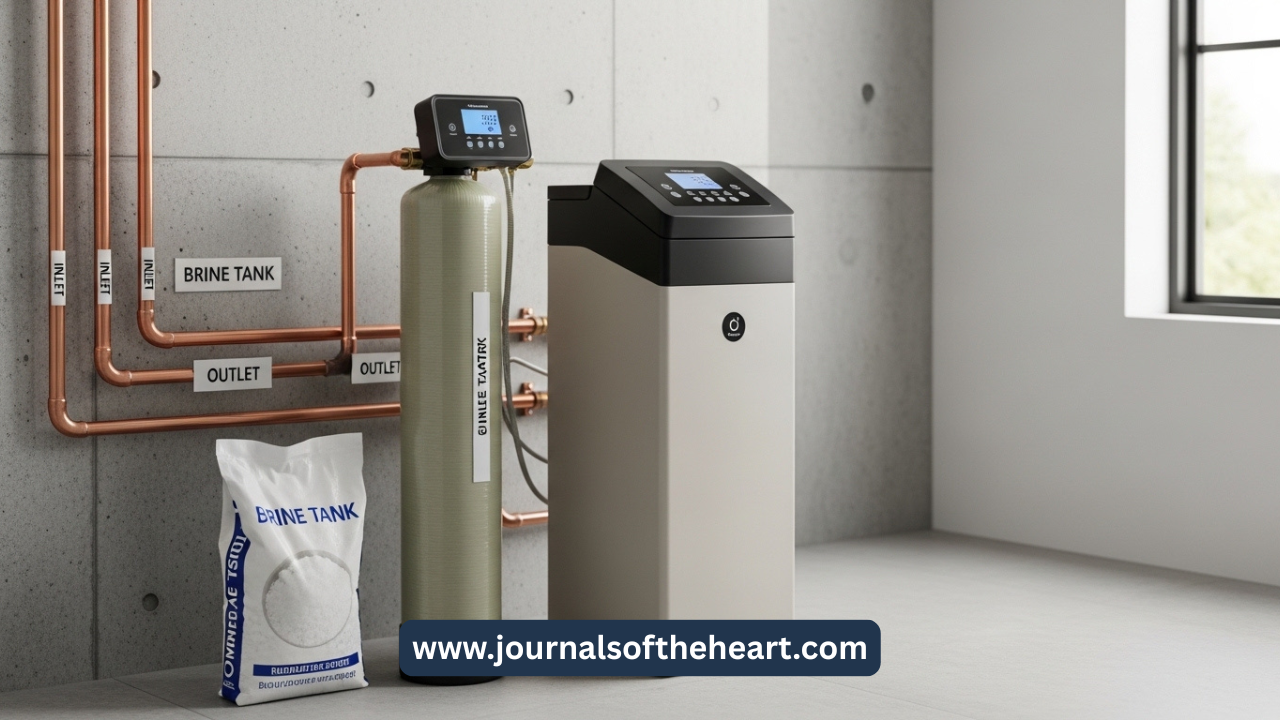
Are you tired of dealing with hard water that leaves your skin dry and your dishes spotty? You’re not alone. Many homeowners face the same frustrating issue. Hard water can wreak havoc on appliances, plumbing, and even your hair. But there’s a solution: a water softener system.
Before diving into the costs associated with these systems, it’s essential to understand what hard water is and how it impacts your daily life. Once you grasp the importance of treating this common problem, you’ll be better equipped to make an informed decision about investing in a water softener system for your home. Let’s break down everything you need to know about the costs involved so you can enjoy all the benefits without any surprises along the way!
Understanding Hard Water and its Effects
Hard water is water that contains high levels of minerals, particularly calcium and magnesium. When this mineral-rich water flows through your home, it can cause a variety of issues.
One immediate effect is how it interacts with soap. Hard water makes it difficult for soap to lather effectively, resulting in ineffective cleaning and the need for extra product. This can lead to increased costs over time as you purchase more soap or detergent.
Additionally, hard water leaves behind unsightly mineral deposits on fixtures and glassware. These residues create a dull appearance and are often challenging to remove.
Beyond aesthetic concerns, hard water can also impact your plumbing system. It may lead to scale buildup in pipes and appliances like dishwashers or washing machines, ultimately reducing their efficiency and lifespan. Understanding these effects highlights the importance of addressing hard water problems promptly.
What is a Water Softener System?
A water softener system is designed to treat hard water. Hard water contains high levels of minerals, particularly calcium and magnesium. These minerals can cause various issues in your home.
The primary function of a water softener is to remove these unwanted minerals through a process called ion exchange. During this process, sodium ions replace the calcium and magnesium ions in the water.
This results in softer water that’s easier on your plumbing fixtures, appliances, and skin. Many people notice improved lathering with soaps and detergents when using softened water as well.
Water softener systems come in different types—some are compact units for individual appliances, while others are whole-house systems that treat all incoming water. Choosing the right type depends on your specific needs and household size.
Types of Water Softeners and their Costs
Water softeners come in various types, each offering unique features and price points. The most common type is the salt-based ion exchange system. These units typically range from $400 to $2,500. They work by replacing hard minerals with sodium ions.
Another option is a salt-free water conditioner. This method doesn’t actually soften water but instead prevents scaling. Prices for these systems usually start around $1,000 and can go up to $4,000.
Reverse osmosis systems are also popular but primarily used for drinking water rather than whole-house solutions. Their costs vary widely based on capacity and filtration stages, generally falling between $200 and $600.
Magnetic or electronic descalers claim to reduce mineral buildup without chemicals or salts. They’re more affordable at about $100 to $300, yet their effectiveness may not match traditional methods for some households.
Factors that Affect the Cost of a Water Softener System
Several factors influence the cost of a water softener system. The type and size of the unit are primary considerations. Larger homes typically require bigger systems, which naturally come at a higher price.
Water quality plays a crucial role too. If your water supply has high hardness levels or additional contaminants, you might need advanced models with specific features to handle these issues effectively.
Brand reputation can impact pricing as well. Established brands often command premium prices but may offer better warranties and customer service support.
Installation complexity is another factor that shouldn’t be overlooked. Simple setups might not cost much in terms of labor, while intricate plumbing adjustments could drive up installation fees significantly.
Local market conditions affect costs too. Prices vary by region based on demand, shipping expenses, and availability of products or services in your area.
DIY vs Professional Installation: Which is More Cost-Effective?
When considering the installation of a water softener system, one key decision is whether to tackle it yourself or hire a professional. DIY installations can save you money upfront. They often involve basic plumbing skills and tools that many homeowners already possess.
However, there are potential pitfalls with doing it yourself. A mistake during installation could lead to costly repairs down the line. If you’re not confident in your abilities, seeking help might be your best option.
Professional installers come with expertise. They understand the nuances of various systems and will ensure everything functions correctly from day one. While their services add to initial costs, they can provide peace of mind.
Consider your comfort level with home improvement projects when making this choice. Weighing both options carefully can help you find what truly fits within your budget while ensuring optimal performance for your new water softener system.
Maintenance and Ongoing Costs of a Water Softener System
Maintaining a water softener system is essential for optimal performance. Regular upkeep ensures that your investment lasts longer and operates efficiently.
Typically, you’ll need to replenish salt levels every few weeks. The type of salt used can influence costs, with options ranging from rock salt to more refined varieties.
Additionally, periodic cleaning of the resin tank helps remove impurities, which may incur minor expenses depending on the cleaning agents used.
Water quality testing should also be part of your routine. This could involve purchasing test kits or hiring professionals occasionally.
If any components wear out over time—like valves or filters—replacement parts will add to ongoing costs. Budgeting for these aspects keeps surprises at bay while ensuring smooth operation throughout the years ahead.
The Benefits of Investing in a Water Softener System
Investing in a water softener system brings numerous advantages for homeowners. First and foremost, it significantly improves the quality of your water. Softened water feels better on your skin and hair, reducing dryness and irritation.
Your appliances will thank you too. Hard water can cause mineral buildup that shortens the lifespan of dishwashers, washing machines, and water heaters. By installing a softener, you enhance efficiency while prolonging these essential devices.
Cleaning becomes less of a chore as well. With softened water, soap lathers better, resulting in sparkling surfaces without stubborn spots or streaks. This means less time scrubbing away grime.
Additionally, softer water can lead to savings on utility bills by improving appliance performance and energy efficiency. You might even notice lower detergent usage over time—another win for your wallet!
A more sustainable choice also emerges here; reduced chemical use benefits both the environment and your family’s health.
Conclusion
Investing in a water softener system can seem daunting, especially when considering the various costs involved. However, understanding hard water and its effects on your home is crucial. Hard water can lead to scale buildup in pipes, decreased appliance efficiency, and even skin irritation.
A water softener system effectively combats these issues by using either ion exchange or salt-free methods to reduce mineral content in your water supply. While upfront costs vary based on the type of system you choose—from traditional ion-exchange systems to newer alternatives—the long-term savings may outweigh initial expenditures.
Factors like installation type—DIY versus professional—and ongoing maintenance expenses also play a significant role in determining overall cost. Regular upkeep ensures optimal performance but should be factored into your budget as well.
Investing in a reliable water softener system not only enhances your household’s comfort but also protects plumbing and appliances from hard-water damage. By weighing all elements carefully, you can make an informed decision that aligns with both your financial situation and lifestyle needs.
