
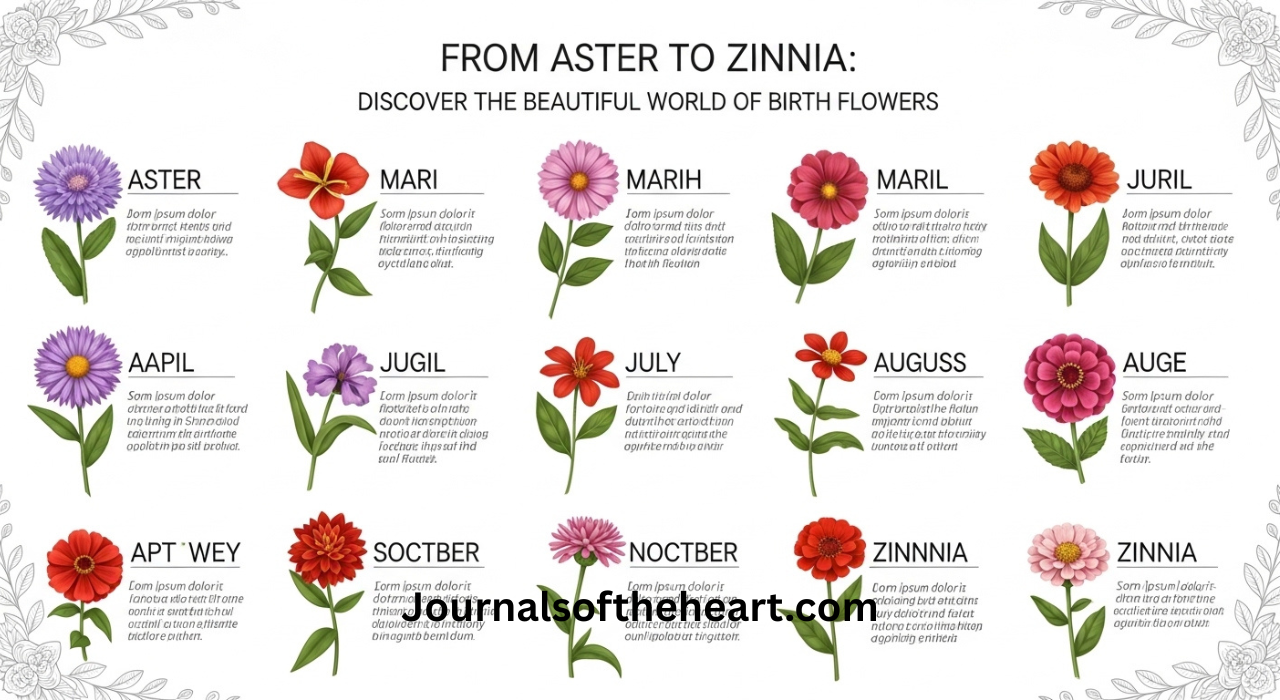
Have you ever wondered about the story behind your birth flower? Each month brings its own unique bloom, carrying with it a rich tapestry of history, meaning, and beauty. From the vibrant Aster of September to the cheerful Zinnia of July, these flowers are more than just lovely additions to gardens—they symbolize qualities that resonate with our personalities and life journeys. Whether you’re looking for a meaningful gift or simply want to connect with nature’s artistry, exploring birth flowers offers an enchanting way to celebrate individuality throughout the year. Join us as we delve into this floral phenomenon and uncover what makes each bloom special!
What are Birth Flowers?
Birth flowers are the floral counterparts to birth stones. Each month of the year is associated with a specific flower, representing various attributes and emotions tied to that time.
These blossoms have deep roots in cultural traditions and historical beliefs. They often symbolize personal traits, making them unique gifts for birthdays or other significant events.
Unlike birthstones, which can be found in jewelry form, birth flowers offer a more organic connection to nature. Their vibrant colors and distinct shapes bring life into celebrations and personal spaces alike.
People often choose to embrace their birth flower through gardening or gifting arrangements that feature these blooms. By doing so, they honor not only their own identity but also the beauty of nature’s cycles throughout the months.
History and Significance of Birth Flowers
The tradition of birth flowers dates back centuries. Ancient civilizations believed flowers carried unique meanings and connected to various aspects of life.
In Roman culture, each month was associated with specific blooms, representing virtues or deities. This practice spread across Europe, intertwining with folklore and local customs.
Over time, the significance evolved. Birth flowers became symbols for personal identity and astrological connections. Each flower reflects personality traits and emotions tied to the corresponding birth month.
During Victorian times, floral symbolism gained immense popularity. People exchanged bouquets laden with meaning as forms of communication. Birth flowers offered a way to convey sentiments without words.
Today, this rich history continues to resonate in modern celebrations like birthdays and weddings. They serve as thoughtful gifts that celebrate individuality while honoring ancient traditions linked to nature’s beauty.
How to Determine Your Birth Flower
Determining your birth flower is a simple and delightful process. Each month of the year has a specific flower associated with it, reflecting the unique traits of individuals born during that time.
To find yours, start by noting your birth month. For instance, if you were born in March, your birth flower would be the daffodil or jonquil.
You can easily look up lists available online or consult floral calendars to see which blooms correspond to each month. Some people even enjoy exploring variations based on cultural traditions.
Once you’ve identified your birth flower, consider its characteristics and symbolism. This can deepen your connection to the flower and enhance its personal significance in your life. Embrace this opportunity to celebrate yourself through nature’s beauty!
Meanings and Symbolism Behind Each Birth Flower
Each birth flower carries its own unique meaning, symbolizing various traits and emotions.
January’s carnation embodies love and fascination. It’s a perfect representation of deep affection.
February’s violet symbolizes loyalty and devotion. This delicate bloom reflects the beauty of true friendship.
March brings the daffodil, signifying rebirth and new beginnings. Its bright yellow petals are a cheerful harbinger of spring.
April’s sweet pea is known for its blissful pleasure. It captures the essence of joy in simple moments.
May showcases the lily of the valley, representing humility and sweetness. Its fragrant blossoms remind us to appreciate life’s little joys.
June features the rose, often associated with love in all its forms—passionate or platonic.
As we move through summer, July’s larkspur stands for open-heartedness and positivity. It’s an invitation to embrace life’s adventures with an optimistic spirit.
August presents the gladiolus, which signifies strength of character—a nod to resilience amidst challenges.
September offers asters that speak to elegance and wisdom; they embody grace in every bloom.
In October, marigolds shine brightly as symbols of creativity and warmth; their vibrant hues inspire artistic expression.
November’s chrysanthemum represents fidelity and optimism—a reminder that hope blooms even during tough times.
December celebrates holly, symbolizing protection but also peace during winter’s quietude.
Popular Ways to Incorporate Birth Flowers into Celebrations
Birth flowers can add a lovely touch to any celebration, making it feel more personal and meaningful. Incorporating these blooms into bouquets is a classic option for birthdays, weddings, or baby showers.
Consider designing centerpieces that feature your guest of honor’s birth flower. This not only enhances the decor but also sparks conversation about the significance of each bloom.
Another creative idea is using birth flowers in handmade invitations or greeting cards. A subtle illustration can set a beautiful tone for your event from the very start.
For those who love baking, try decorating cakes with edible versions of birth flowers. It’s an eye-catching way to celebrate while honoring someone’s special month.
Consider gifting potted plants featuring their birth flower as lasting mementos. They serve as delightful reminders long after the celebration has ended.
Lesser-Known Facts about Birth Flowers
Birth flowers hold intriguing secrets beyond their beauty. For instance, did you know that each flower is linked to specific traits? Birth month influences personality through these blooms.
Another interesting fact is the ancient practice of using birth flowers in astrology. Different cultures have woven them into horoscopes, believing they enhance luck and positivity.
Some varieties are linked to historical events or figures. The daisy, for example, symbolizes purity and innocence but was also favored by poets like Wordsworth.
Additionally, many people remain unaware that certain birth flowers can be edible! Calendula petals can brighten dishes while offering unique flavors.
There’s a trend in eco-conscious gifting: planting native birth flowers helps local ecosystems thrive while celebrating personal milestones. These unique aspects add depth to the already rich tapestry of meanings behind birth flowers.
Conclusion
Birth flowers offer a captivating glimpse into the beauty of nature and its connection to our personal lives. With each month adorned by unique blooms, these flowers represent individual traits and emotions. By understanding your birth flower and its significance, you can appreciate not only your own essence but also that of loved ones.
Whether you choose to incorporate them into celebrations or keep them as personal symbols, the rich history behind birth flowers enhances their value. From heartfelt gifts to personalized decorations, there are many creative ways to celebrate life’s milestones with these floral tokens.
Exploring the world of birth flowers opens up a garden full of meanings waiting to be discovered. As you delve deeper into this floral journey, you’ll find connections that enrich moments throughout your year. Embrace the vibrant stories hidden within each bloom and let them inspire joy in every season.
