
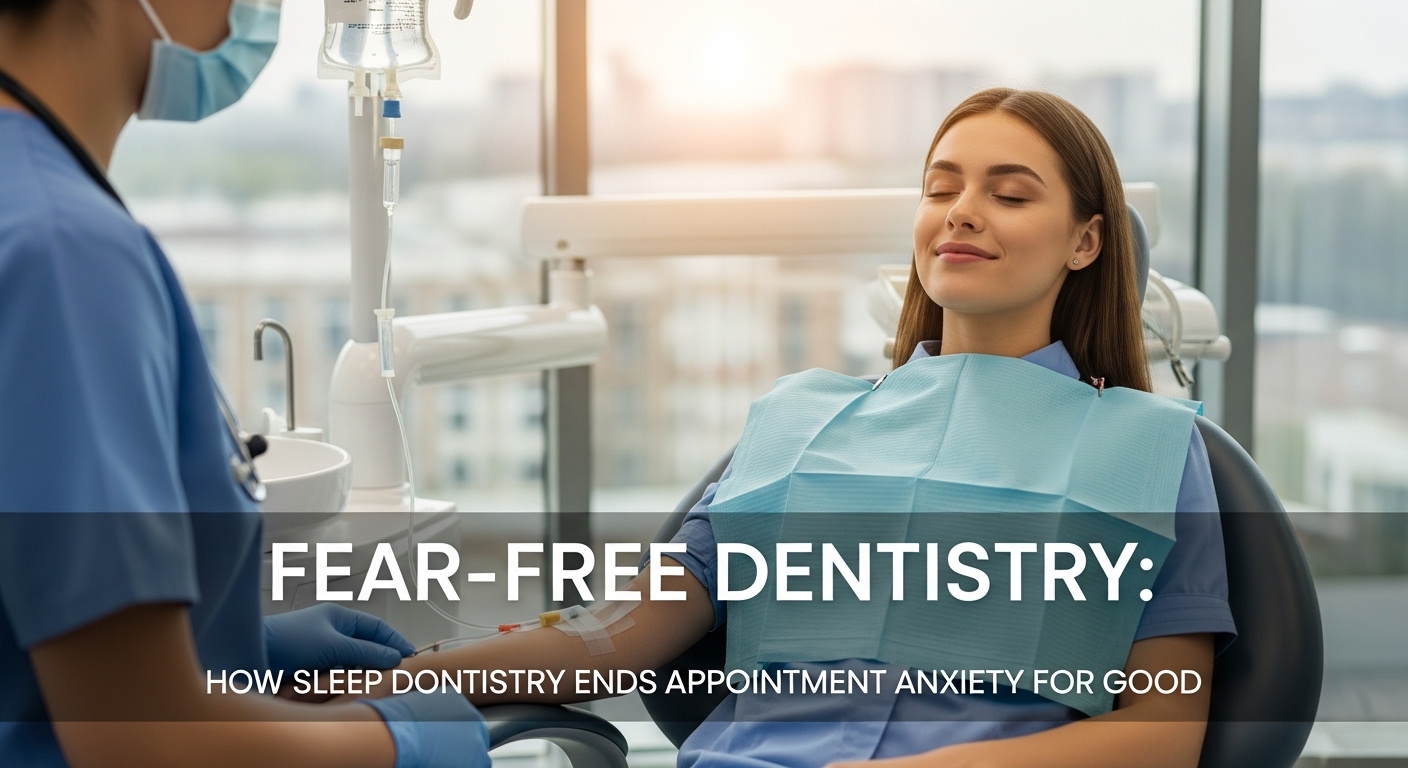
For many people, visiting the dentist can trigger intense nervousness. The fear might stem from painful past experiences, the sound of dental tools, or simply the feeling of losing control during treatment. When anxiety becomes overwhelming, patients often delay appointments or avoid them altogether. Unfortunately, postponing dental care can lead to worsening oral health problems that eventually require more complex treatment.
Modern dentistry now offers solutions designed specifically for anxious patients. Sleep dentistry, also known as sedation dentistry, allows people to receive necessary treatment in a relaxed and stress-free state. By minimising fear and discomfort, this approach makes dental visits far more manageable and helps patients rebuild confidence in professional dental care.
Understanding Dental Anxiety
Dental anxiety affects a significant number of adults and children. For some individuals, it manifests as mild nervousness before an appointment. For others, it can lead to severe stress, rapid heartbeat, sweating, or even panic attacks when thinking about dental treatment.
Several factors contribute to dental anxiety. Past traumatic dental experiences are one of the most common causes, especially if treatment was painful or rushed. Others may fear needles, drilling sounds, or the sensation of instruments in their mouth. Embarrassment about the condition of one’s teeth can also discourage people from seeking care.
When anxiety prevents regular check-ups, minor dental issues such as cavities or early gum disease can progress into more serious problems. Sleep dentistry addresses this challenge by offering a calm, supportive experience that reduces emotional stress during treatment.
What Is Sleep Dentistry?
Sleep dentistry refers to the use of sedative techniques that help patients relax during dental procedures. The aim is not always to make patients fully unconscious, but rather to create a deeply calm and comfortable state.
Depending on the level of sedation used, patients may feel drowsy, detached from the procedure, or lightly asleep. In many cases, they remain able to respond to instructions while feeling completely relaxed.
This method benefits both patients and dental professionals. Patients experience minimal anxiety and discomfort, while dentists can perform procedures more efficiently because the patient remains calm and cooperative.
Sleep dentistry is commonly used for individuals with dental phobias, strong gag reflexes, sensitive teeth, or those requiring longer or more complex treatments.
Sedation Options Available for First-Time Patients
There are several forms of sedation used in modern dental clinics. The right option depends on the patient’s level of anxiety, overall health, and the type of procedure required.
Patients often begin by exploring sedation options within sleep dentistry for first-time patients to understand how different methods work and which approach may suit their needs.
- Nitrous Oxide (Laughing Gas)
Nitrous oxide is a mild sedative inhaled through a mask placed over the nose. It produces a calm, slightly euphoric sensation within minutes. Patients remain awake and aware but feel relaxed and comfortable throughout the procedure. The effects wear off quickly after the mask is removed.
- Oral Sedation
Oral sedation involves taking a prescribed medication before the dental appointment. The medication creates a deeper sense of relaxation than nitrous oxide and may cause drowsiness. Patients remain conscious but often remember very little about the procedure afterwards.
- Intravenous (IV) Sedation
IV sedation is delivered directly into the bloodstream and allows dentists to carefully adjust the level of sedation throughout the procedure. It provides a deeper level of relaxation and is commonly used for patients with severe dental anxiety or for lengthy treatments.
Each option is administered under professional supervision to ensure patient safety and comfort.
Creating a Calm and Comfortable Dental Visit
Sleep dentistry transforms the atmosphere of dental care. Instead of approaching treatment with fear, patients can arrive knowing they will remain relaxed during the procedure.
Sedation reduces awareness of dental instruments, sounds, and sensations that often trigger anxiety. Patients with sensitive gag reflexes or difficulty sitting still benefit greatly from this approach, as it allows the dentist to perform procedures without interruptions.
Another advantage is efficiency. Because the patient remains calm and relaxed, dentists can often complete multiple treatments in a single appointment. This reduces the number of visits required and shortens the overall treatment timeline.
For individuals who have delayed dental care for years due to anxiety, this efficiency can be particularly valuable.
Rebuilding Confidence Through Positive Experiences
A positive dental visit can significantly change how patients feel about future appointments. When procedures are completed without pain or distress, people often realise that dental care does not have to be frightening.
Over time, these reassuring experiences help reduce long-standing fears. Patients who once avoided the dentist may begin attending routine check-ups and cleanings more consistently.
Regular dental visits are essential for early detection of problems such as cavities, gum disease, and oral infections. Preventive care also helps minimise the need for complex treatments in the future.
Sleep dentistry therefore acts as an important bridge between anxious patients and consistent oral healthcare.
Encouraging Long-Term Oral Health Habits
Beyond providing comfort during a single procedure, sleep dentistry can influence long-term dental habits. When fear is removed from the equation, patients are more likely to prioritise their oral health and follow recommended care routines.
This includes attending regular dental examinations, maintaining proper brushing and flossing habits, and addressing minor issues before they become serious. For a broader perspective on how sedation dentistry supports ongoing dental care and patient confidence, this resource explains how it helps patients in their lifelong oral health.
Over time, these habits contribute to stronger teeth, healthier gums, and improved overall wellbeing.
