
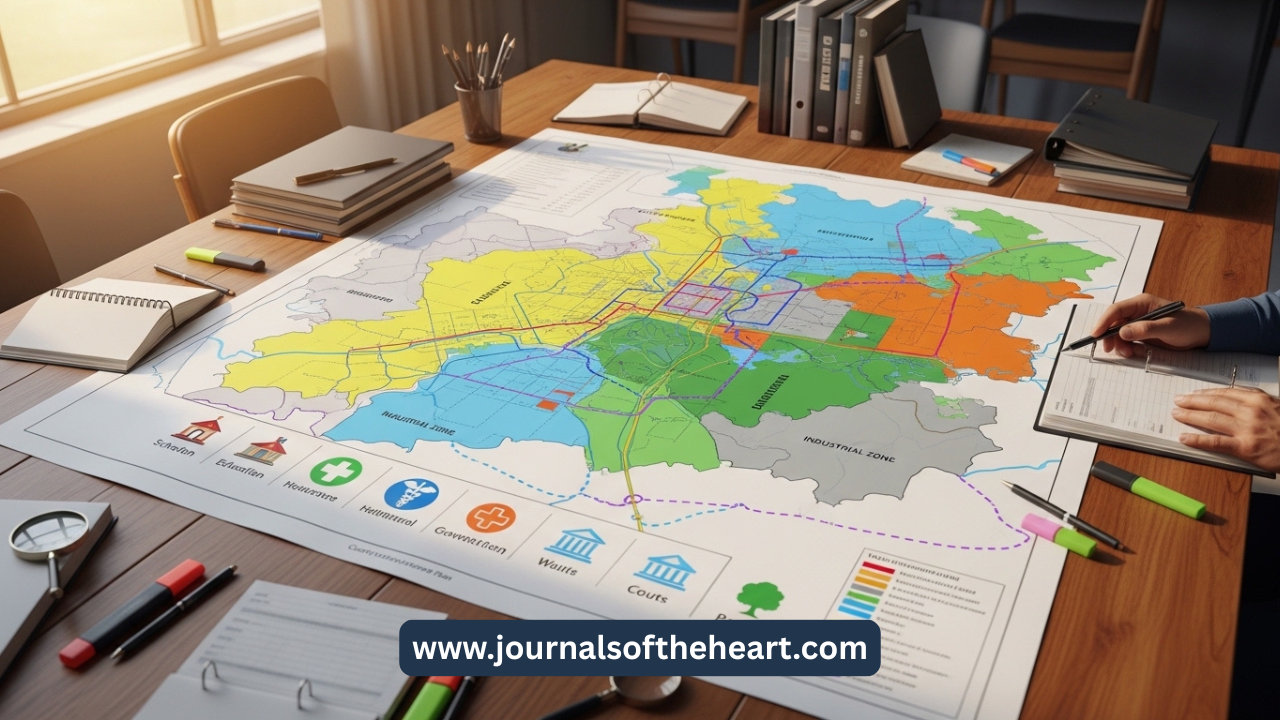
In the realm of local governance, a powerful tool is shaping the future of communities across the globe: County Integrated Development Plans (CIDPs). These strategic blueprints are designed to foster sustainable development while addressing the unique needs of each county. As we navigate an era marked by rapid change and growing challenges, understanding CIDPs becomes essential for both leaders and citizens alike. Join us as we delve into how these plans not only serve as guiding frameworks but also empower residents to actively participate in their community’s growth and transformation. Get ready to explore the dynamic role that County Integrated Development Plans play in enhancing local governance!
Definition of County Integrated Development Plans (CIDPs)
County Integrated Development Plans (CIDPs) are strategic documents that outline the vision and priorities for local development within a specific county. They aim to create a cohesive approach to planning, ensuring that various sectors work harmoniously towards shared goals.
These plans serve as blueprints for action, guiding investments in infrastructure, health care, education, and other critical areas. By addressing the unique challenges faced by each county, CIDPs foster targeted interventions tailored to local needs.
Importantly, CIDPs engage stakeholders from diverse backgrounds—government agencies, community members, and private sector players—to contribute ideas and resources. This collaborative effort enhances transparency and accountability in governance.
With a focus on sustainable growth and development over multiple years, these plans help counties allocate resources effectively while monitoring progress toward their objectives. In essence, they are vital tools for driving socio-economic advancements at the local level.
Purpose and Importance of CIDPs in Local Governance
County Integrated Development Plans (CIDPs) serve as vital blueprints for local governance. They outline the strategic direction of counties, ensuring that development initiatives align with community needs.
These plans play a crucial role in resource allocation. By prioritizing projects, CIDPs help optimize budgetary decisions and make the best use of limited resources. This targeted approach fosters accountability within local governments.
Additionally, CIDPs enhance citizen engagement. Communities are encouraged to participate in shaping their future through consultations and stakeholder meetings. This collaborative process builds trust between citizens and government officials.
Moreover, CIDPs ensure continuity in development efforts. As political leadership may change, these plans provide stability by maintaining focus on long-term goals rather than short-term agendas. They create a structured framework for sustainable growth within counties.
Components of a CIDP
A County Integrated Development Plan (CIDP) consists of several key components that are crucial for effective governance. First, it includes a situational analysis. This evaluates the current state of resources, challenges, and opportunities within the county.
Next is stakeholder engagement. Involving community members ensures their needs and priorities are addressed in planning efforts.
The CIDP also encompasses strategic objectives. These goals guide long-term development initiatives and set measurable targets to track progress.
Another vital component is resource allocation. This outlines how financial and human resources will be distributed across various projects.
Monitoring and evaluation mechanisms assess the effectiveness of implemented strategies over time. These measures help refine future plans based on empirical data and feedback from residents.
The Planning Process for a CIDP
The planning process for a county integrated development plan (CIDP) is both systematic and participatory. It begins with stakeholder engagement, where local communities, government officials, and other relevant entities come together. This collaboration ensures that diverse voices are heard.
Next comes the data collection phase. Here, planners gather information on various aspects like demographics, infrastructure needs, and economic activities. This data serves as the backbone of the CIDP.
Once the information is compiled, analysis follows. Planners assess existing challenges and opportunities within the county to identify priority areas for development.
Afterward, they draft strategic objectives aimed at addressing these priorities. These goals guide resource allocation and project implementation over fiscal years.
Continual feedback loops are crucial throughout this process to keep it dynamic and responsive to community needs. Regular updates help maintain transparency while fostering trust between citizens and their local governments.
Challenges Faced in Implementing CIDPs
Implementing county integrated development plans (CIDPs) is not without its hurdles. One significant challenge is the lack of adequate funding. Many counties struggle to secure the necessary financial resources, which can stall projects or lead to incomplete initiatives.
Another issue lies in coordination among stakeholders. Different departments and agencies may have conflicting priorities, making it difficult to align efforts toward common goals. This fragmentation often results in duplicated work or missed opportunities for collaboration.
Additionally, inadequate capacity within local governments poses a problem. Staff may lack training on effective planning and execution of CIDPs, leading to inefficient processes.
Community involvement also remains a challenge. Ensuring that citizens are engaged and their voices heard requires ongoing effort and transparency from government officials. Without public buy-in, even well-crafted plans may fall short of their intended impact.
Success Stories of Using CIDPs in Local Governance
Across various counties, the implementation of County Integrated Development Plans (CIDPs) has transformed local governance. One notable success is in Kisumu County, where community participation led to improved water supply and sanitation services. Local stakeholders worked together to identify needs and prioritize projects.
In Nyandarua County, CIDPs facilitated a successful agricultural program that boosted food security. Farmers received training on sustainable practices, which increased yields significantly. The collaboration between county officials and farmers proved essential for this initiative.
Additionally, Makueni County showcased the power of CIDPs by enhancing education infrastructure. Schools were built based on community feedback, addressing specific regional challenges like overcrowding. As a result, student enrollment surged.
These stories illustrate how well-executed CIDPs can lead to tangible improvements in people’s lives while strengthening local governance systems across the region.
Collaborative Efforts for Effective Implementation of CIDPs
Effective implementation of county integrated development plans requires collaboration among various stakeholders. Local governments, community members, and non-governmental organizations all have vital roles to play.
Engagement between these parties fosters a sense of ownership. When communities actively participate in the planning process, they contribute valuable insights that reflect their needs and priorities. This grassroots involvement leads to more relevant solutions.
Public-private partnerships also enhance resources available for CIDP execution. By leveraging funding and expertise from private entities, counties can achieve ambitious development goals more efficiently.
Moreover, inter-county collaborations create synergies that amplify impact. Sharing best practices allows counties to learn from each other’s experiences, helping them avoid common pitfalls.
Transparent communication is key throughout this collaborative framework. Regular updates on progress keep all stakeholders informed and invested in the outcomes of the CIDPs.
Conclusion
The role of County Integrated Development Plans (CIDPs) in local governance cannot be overstated. These plans serve as essential tools for planning and implementing development initiatives at the county level. By aligning resources with community needs, CIDPs foster greater transparency and accountability among local governments.
Moreover, they promote citizen engagement by involving communities in the decision-making process. This helps create a sense of ownership over local projects and ensures that development is aligned with the aspirations of residents.
The challenges faced during CIDP implementation highlight the need for ongoing support and collaboration among stakeholders. When different sectors work together effectively, they can overcome obstacles and ensure that the objectives laid out in these plans are met.
Looking ahead, it is clear that investing time and effort into refining CIDPs will yield significant benefits for counties. As more success stories emerge showcasing how effective these plans can be, other regions may take inspiration from their successes to enhance their own approaches to local governance.
Embracing the spirit of integrated development through CIDPs paves the way for sustainable growth while empowering communities across various dimensions. The journey toward robust local governance continues with each plan crafted thoughtfully to meet unique county needs.
